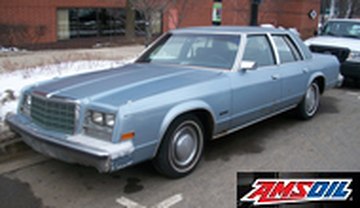
Maintaining Lubrication Standards for the 1981 Chrysler NEWPORT 5.2L
Proper engine care for a vehicle of this era requires a focus on consistent monitoring and adherence to specific fluid requirements. For owners of a 1981 Chrysler NEWPORT equipped with the 5.2L engine, maintaining the lubrication system is a fundamental aspect of long-term mechanical health. Because older engines operate under different thermal and mechanical stresses than modern counterparts, a proactive approach to inspection and oil selection is essential.Monitoring Fluid Integrity and Potential Seepage
A primary component of routine maintenance involves regular visual inspections of the engine bay. For an engine from 1981, it is useful to look for any signs of fluid seepage or leakage around various sealing surfaces. While some level of very light moisture may be present on older components, active leaks should be investigated promptly. When performing these checks, focus on the areas where the engine meets other major components. Inspecting gaskets and seals for signs of age-related seepage can help identify issues before they escalate into more significant problems. If you notice any wetness or residue around the base of the engine or near various connection points, it warrants a closer look to determine if a seal is losing its effectiveness. Additionally, checking the condition of hoses, if present, and ensuring that electrical connections remain secure and free from corrosion is a wise practice. Maintaining a clean engine environment also makes it much easier to spot new leaks or changes in fluid appearance immediately.Observing Changes in Engine Behavior
Beyond visual inspections, an owner should remain attentive to how the vehicle operates during daily use. Changes in mechanical behavior can often serve as early indicators that the lubrication system requires attention. For example, if you notice unusual mechanical noises that were not previously present, this could be associated with changes in lubricant condition or volume. Similarly, any unexpected changes in exhaust appearance should be monitored; while various factors can cause changes in exhaust color, it is always a signal worth investigating during your next service interval. It is also important to monitor for any signs of overheating. If the engine temperature fluctuates outside of its normal operating range, this may indicate issues within the cooling system or potentially with how the engine is managing internal heat. Because symptoms can have multiple underlying causes, observing these changes should lead to a professional diagnosis rather than an immediate assumption of a specific part failure.Prioritizing Maintenance Through Documentation
For long-term ownership of a 1981 Chrysler NEWPORT, establishing a clear maintenance baseline is one of the most effective ways to manage the vehicle's health. If you have recently acquired the vehicle and do not have access to its previous service history, your first priority should be to document every inspection, fluid change, and repair moving forward. Reviewing available records can help you distinguish between routine preventive maintenance and necessary repairs. If a history of consistent service is evident, you can focus on monitoring aging materials. If the history is incomplete, you may need to prioritize more frequent inspections of components like belts (if equipped) or various fluid levels until a reliable baseline of the vehicle's condition is established. Effective record-keeping allows you to track how the engine responds to different lubricants and service intervals over time. This data becomes invaluable when making decisions about future maintenance priorities, especially as the vehicle continues to age.Managing Aging Engine Components
As vehicles from this era continue to operate, the physical condition of various materials can change. Rather than following a rigid schedule based solely on the age of the car, it is more practical to base your maintenance priorities on the actual current condition of the components. If you observe that certain seals or hoses are showing signs of hardening, cracking, or significant wear, these should be addressed according to their state of deterioration. Similarly, if you notice any evidence of previous neglect—such as heavy sludge buildup or heavily oxidized fluids—it is beneficial to perform a thorough inspection of the entire lubrication and cooling system to ensure everything is functioning within acceptable parameters. Addressing active leaks or addressing overdue maintenance tasks identified during inspections should always take precedence over non-essential cosmetic or secondary repairs. This condition-based approach ensures that your resources are directed toward the most critical aspects of the vehicle's mechanical integrity.The Role of Lubrication in Engine Health
Engine oil performs several vital roles that are necessary for the continued operation of the 5.2L engine. Beyond simply reducing friction between moving parts, the lubricant plays a significant role in managing the heat generated during combustion and operation. It also helps to suspend and carry away microscopic contaminants, preventing them from settling and forming deposits within the engine. Maintaining the correct quality of oil is essential for ensuring these functions are performed effectively. Over time, as oil is subjected to heat and chemical processes, its ability to resist oxidation and control the formation of sludge can diminish. This is why staying current with service intervals and selecting the appropriate lubricant according to the application information provided on this page is so critical for preventing long-term wear.Practical Guidance for BUYING ENGINE OIL for your 1981 Chrysler NEWPORT 5.2L
When you are ready to replenish your engine's lubrication, it is vital to match the product to the specific requirements of your engine. To ensure the best results, always use the vehicle-specific oil viscosity and application information already displayed in the technical data section of this webpage. When selecting a product, consider the following practical steps:- Verify Viscosity: Do not rely on general knowledge or assumptions based on the engine size; match the lubricant exactly to the viscosity information provided above for your specific 1981 Chrysler NEWPORT.
- Check API Certification: Ensure that any oil you purchase carries a current and appropriate API certification to guarantee it meets modern standards for detergent and anti-wear properties.
- Evaluate Formulations: Depending on your engine's current condition, you may choose between conventional, synthetic blends, or full synthetic oils. Some high-mileage formulations also contain additives intended for use in aging engines, including seal-conditioning additives that may be beneficial for older seals.
- Inspect the Label: Always read the product packaging carefully to confirm that the viscosity and service classifications align with the application details listed on this page before completing your purchase.